


Hive of Activity
On the banks of the River Tweed, a family‑run honey farm has quietly grown from a post‑war sideline into one of the country’s busiest bee operations.
Words by Molly Haynes

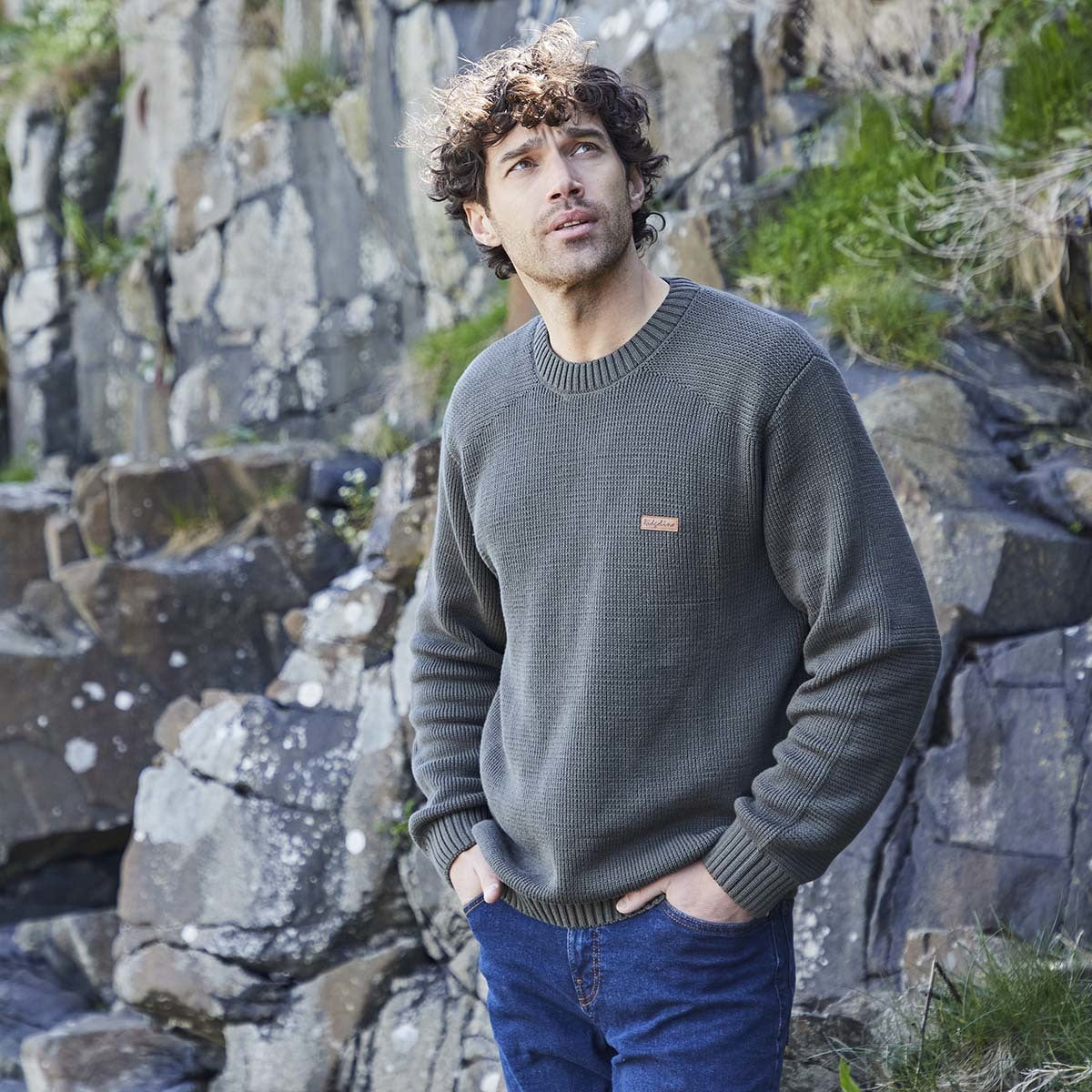
(Above) Stephen of Chain Bridge Honey Farm in his Ridgeline Signature Hoodie in Deep Forest.
The charm of Chain Bridge Honey Farm is apparent from the moment you travel up the flower-lined drive past the vintage vehicles. “Playing outside here is probably one of my earliest memories,” says Frances Robson, as she welcomes us to the farm – bees from the on-site hives zig-zagging lazily around us.
Frances is the granddaughter of beekeeping teacher William Selby Robson, who founded the farm in 1948. After the war, William travelled around the Borders teaching families how to keep their own hives for honey, while maintaining around 100 hives of his own.
His son Willie – Frances’s dad – turned beekeeping into his full-time job and, over the course of six decades, has built the business up to a fully commercial honey farm without grants or subsidies.
Keeping it in the family
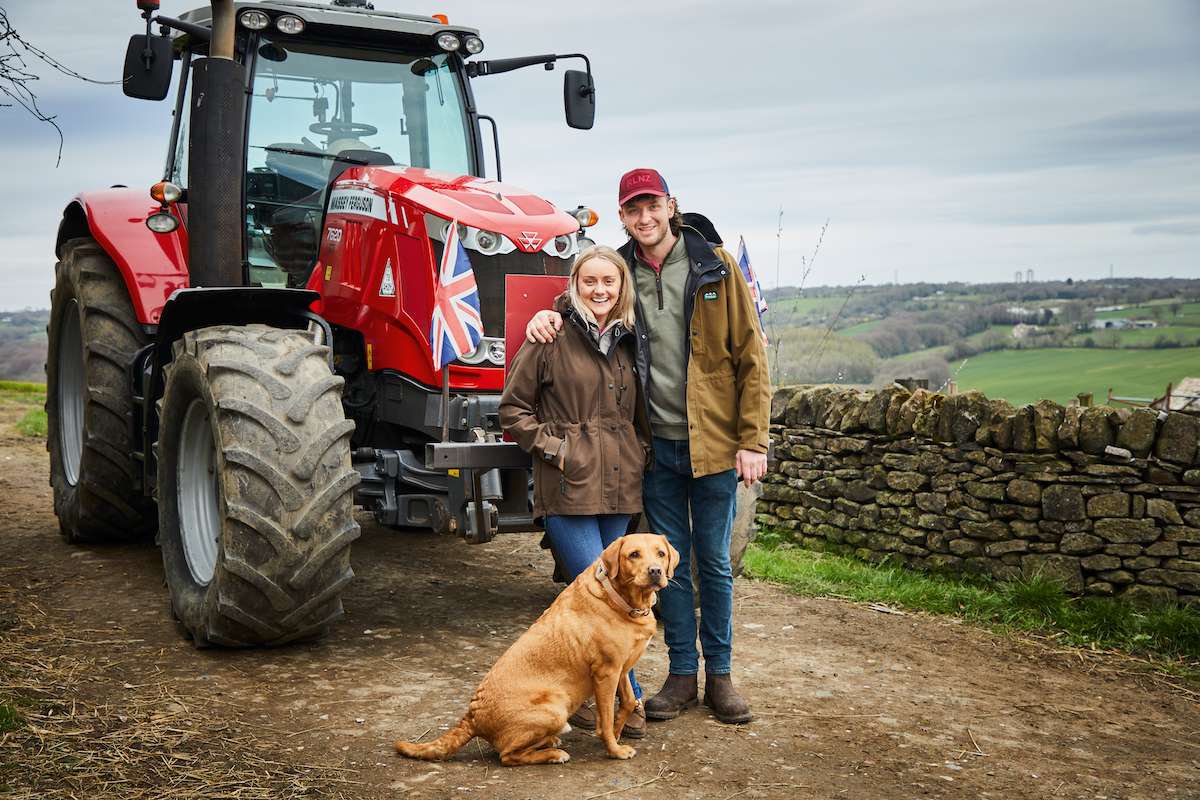
Today the farm is run by Willie and his wife Daphne, alongside Frances and their other children Stephen and Heather. “I’ve been working here since I was 16,” says Frances. “I mainly work in the honey house, cutting the honeycomb that comes in and sorting it into different categories. I also bottle the honey.”
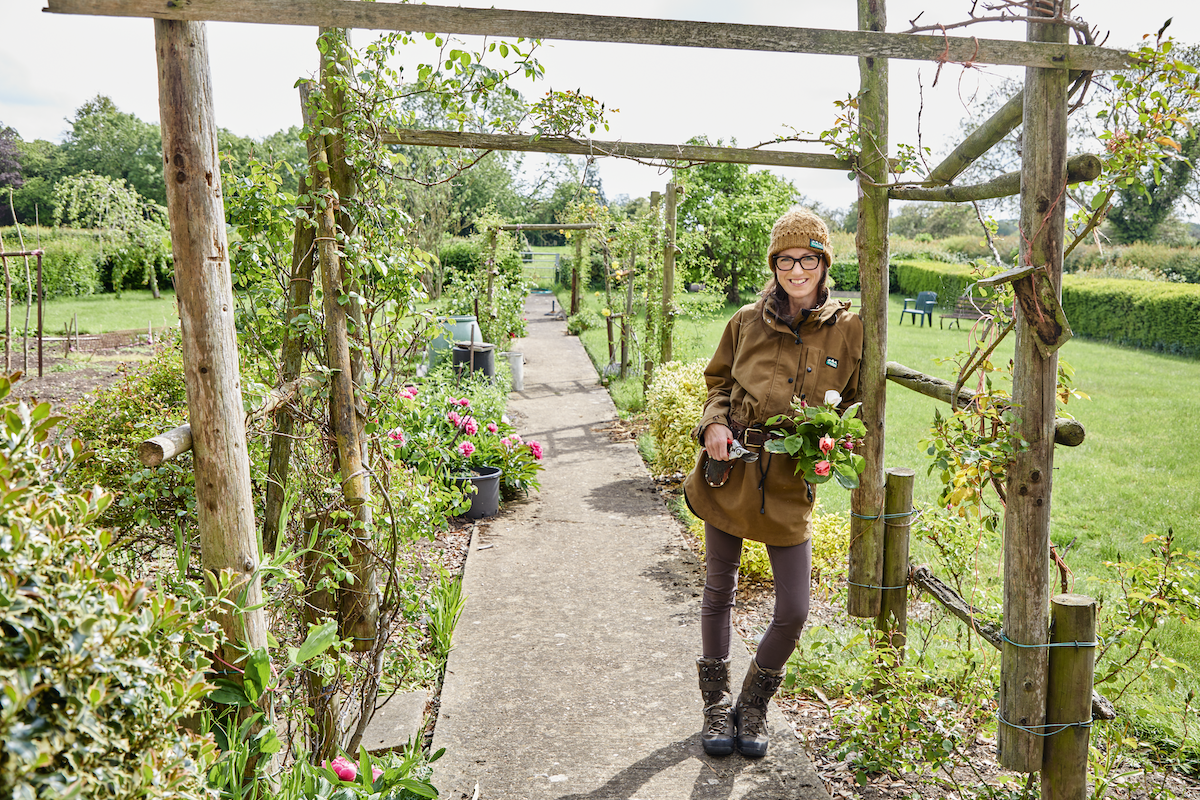
Her day doesn’t end there. “I work in the vintage café bus, serving honey-flavoured treats such as honey cake and honey lattes,” she adds. “I look after the beekeeper’s garden, keep an eye on the bees if needed, and generally make sure everyone is ok.”
Honey sweet
A year in the life of a Chain Bridge hive starts in fields of oilseed rape. There, the bees also forage on hawthorn, willowherb, borage and phacelia, producing Tweedside honey – a light, sweet honey named after the area it comes from.
Towards the end of July, the hives are moved up to the heather moors and, when the purple flowers bloom in August, they produce the farm’s richly flavoured Heather Honey. In a good year, the industrious bees make up to 40 tonnes, which is then cut into comb, spun, barrelled and bottled on site.
The bees themselves are the full-time job of Willie and Stephen, who tend around 1,500 hives within a 30- to 40-mile radius of the farm.
“Over the years, we’ve built up good relationships with local landowners and are able to keep our hives on their land for free,” explains Frances. “They’re everywhere from big country estates to small local fields. We’re a long-established family business, so people know who we are and trust us.”
From farm to shop
Once bottled, the honey is sold in the farm shop and online, and through a wide network of stockists across Northumberland, Cumbria, the Borders and as far as north as Inverness and Edinburgh. The family make many of their own deliveries, and Heather, who created all the recipes for the award-winning skincare range, now spends much of her time on the road getting jars onto shelves.
Alongside honey, the farm produces a full range of beeswax-based products including hand creams, lip balms, soaps, salves, candles and polish – all made on site. “Most of what we sell, we make here,” says Frances. “That’s important to us.”

Keeping bees well
With the fragility of bees often a talking point in the media, welfare is a constant focus. “Hive location is important,” explains Frances. “My dad spends a lot of time scouting sites that are sheltered, sunny and offer reliable floral sources and clean water. If bees don’t have somewhere nice to live, they get stressed, sick and can die,” she says. “So we work hard to keep our bees as happy as possible.”
Community matters
That care extends beyond the hives to the 20-strong team of people who keep the place running.
“A lot of the staff stay here a long time,” reflects Frances. “We have seasonal workers who return yearly, and volunteers who look after the vintage vehicles and the garden.
That sense of community helped Frances when she was diagnosed with cancer in 2025. Throughout her treatment, she kept working as much as she could.
“When you work and live on site, it’s hard to switch off,” she says. “But actually, it turned out to be a good thing, as it took my mind off it.”
On difficult days she could wander over to the honey house mid-morning and join in where she could. “I think people who have cancer and are off work must find it really hard,” she says. “Having this place to come to kept me going.”
Growing slow and strong
As for the future, Frances is practical. The business has grown organically for decades with old tractor bays turned into honey houses and a double-decker bus turned into a café. And she expects that evolution to continue.
“It’s very much Mum and Dad’s life’s work,” she says. “We’ll just keep going and see what comes next.”
On the way back down the drive, past the flowers and machinery, it’s hard not to feel that every part of this place – from the bees to the buses – has been built slowly, by hand, and kept going by a family who simply never stopped.